Broward Electrical Services / Practical guide
Does Your Home Need an Electrical Repair or Upgrade? Questions to Ask First
Published
Practical questions to help homeowners recognize electrical warning signs, prepare for an electrician's assessment, and plan repairs or upgrades safely.
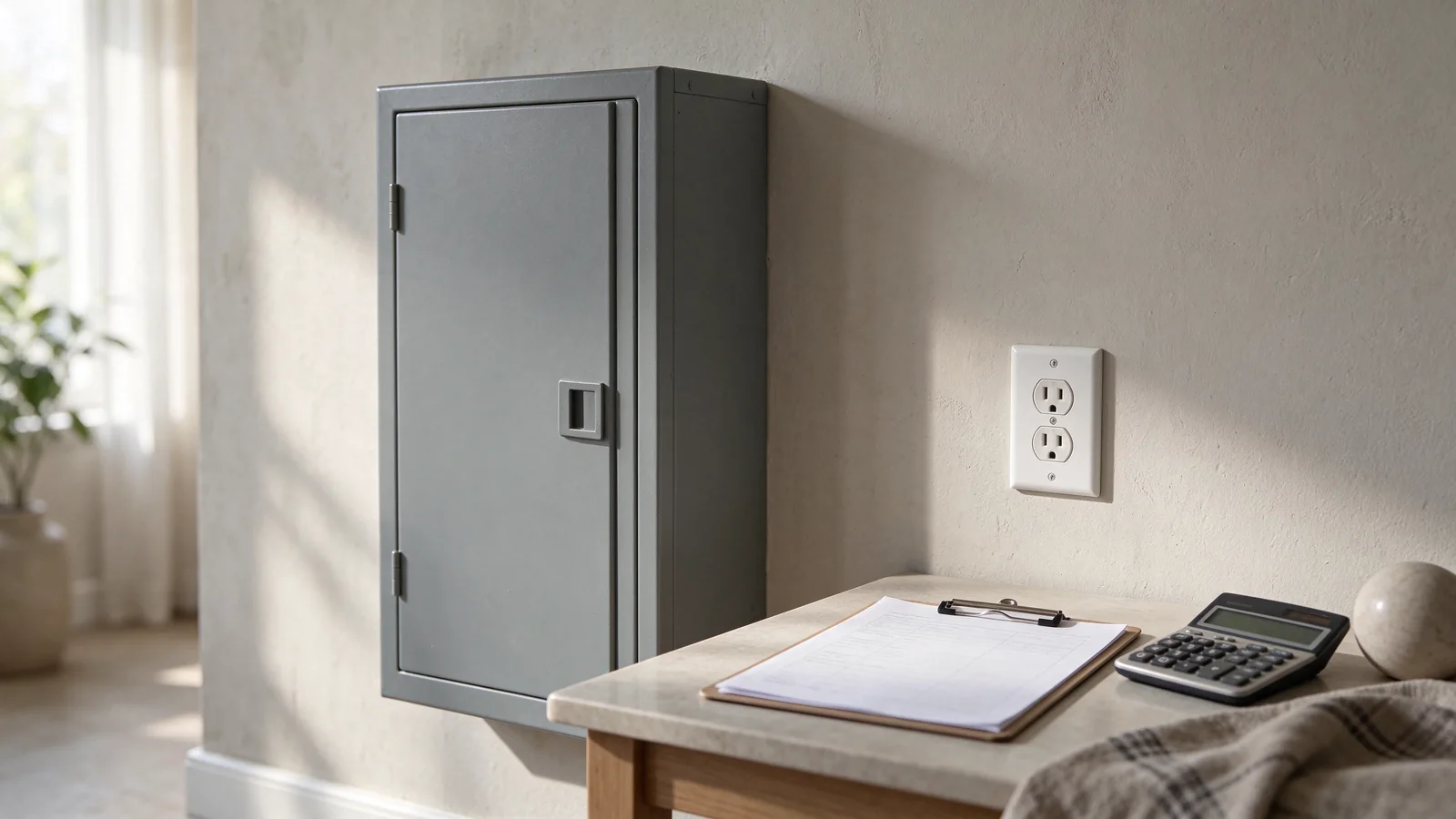
Is there a warning sign that should not wait?
A flickering light or a new appliance can raise the same question: do you need an electrician? Start by separating a safety concern from a planned improvement. Your job is to describe what you have noticed, not to prove what is wrong or decide which equipment must be replaced.
Burning odors from outlets or switches, sizzling or buzzing receptacles, discolored wall plates, and shocks or tingling are warning signs identified by ESFI. Stop using the affected equipment or outlet and keep people away. Do not touch it again to check the symptom, remove covers, or investigate wiring.
If there is smoke, fire, or reason to suspect a fire, leave and call 911 from outside. Stay out; do not delay evacuation to reach the electrical panel or call a repair company. Government fire guidance prioritizes getting everyone out and staying out.
Does the breaker keep tripping?
A breaker trip is a protective action, not an invitation to keep restoring power. ESFI advises professional inspection for frequent trips. Leave a repeatedly tripping circuit off until it has been assessed. Never bypass a breaker or try to solve the problem by installing a larger one.
Tell the electrician whether the problem began recently and what was operating when it happened. Do not recreate the trip for a demonstration. A recurring trip alone does not tell you whether the eventual solution is an equipment repair, circuit work, or a panel upgrade.
Are lights or outlets behaving differently?
Note whether flickering affects one fixture, a room, or several areas, and whether you already noticed it when another appliance started. Flickering and dimming appear on ESFI's warning-sign list. That makes a recurring pattern worth discussing, but it does not identify the cause. Do not turn appliances on and off to diagnose it.
The CPSC staff checklist says to stop using unusually warm outlets or switches until an electrician checks them. It also notes that some dimmer switches warm during normal use. Describe unexpected heat or a change in behavior rather than assuming all warmth is normal. Loose-fitting plugs also deserve attention; do not hold or wedge a plug in place.
Are extension cords becoming permanent?
If cords are your everyday answer to too few outlets, ask about a permanent solution. ESFI explains that power strips add connection points, not electrical capacity, and recommends an electrician's inspection when you rely heavily on extension cords.
Describe where you actually need power and what you intend to use there. Adding outlets and providing adequate circuit capacity are different questions. An assessment can address both without treating another power strip as an upgrade.
Does a new appliance mean a new panel?
Not automatically. Ask what your existing system can support before choosing equipment or assuming you need panel replacement. ESFI recommends an electrical inspection after a major addition, renovation, or large-appliance addition.
Bring the appliance specifications and explain any other planned changes. Ask the electrician whether the proposal requires a dedicated circuit, more service capacity, or repairs to existing equipment. Request an explanation of what makes each recommendation necessary. A general safety article cannot determine your home's capacity or which local requirements apply to your project.
Are you planning home EV charging?
Have the charging arrangement assessed before relying on an existing garage outlet. The U.S. Fire Administration recommends a qualified electrician install a dedicated charging circuit and Level II equipment. Older wiring may not be suitable for charging equipment.
For Level I charging, USFA says to plug directly into an outlet designed for the charger's amperage, never an extension cord or multiplug adapter. Use certified equipment and follow the manufacturer's instructions. Share the charger specifications and preferred parking location with the electrician; an outlet's appearance is not proof that it is suitable.
What should you have ready when you call?
Write down when the issue started, where it happens, and any recent appliance changes or renovations. Mention odors, heat, shocks, or recurring trips first. Use existing observations; do not open panels, remove outlet plates, or recreate a fault to gather more information.
For an assessment discussion, contact Broward Electrical Services at 954-715-9328. Explore the service pages below for repairs, panel upgrades, and EV charger installation. The safety guidance above comes from the linked public sources; these business links are not emergency-response promises.
Safety and energy references
This guide draws on the following references. They provide general guidance, not endorsement of this business or an assessment of your property.